Marine biosecurity in New Zealand
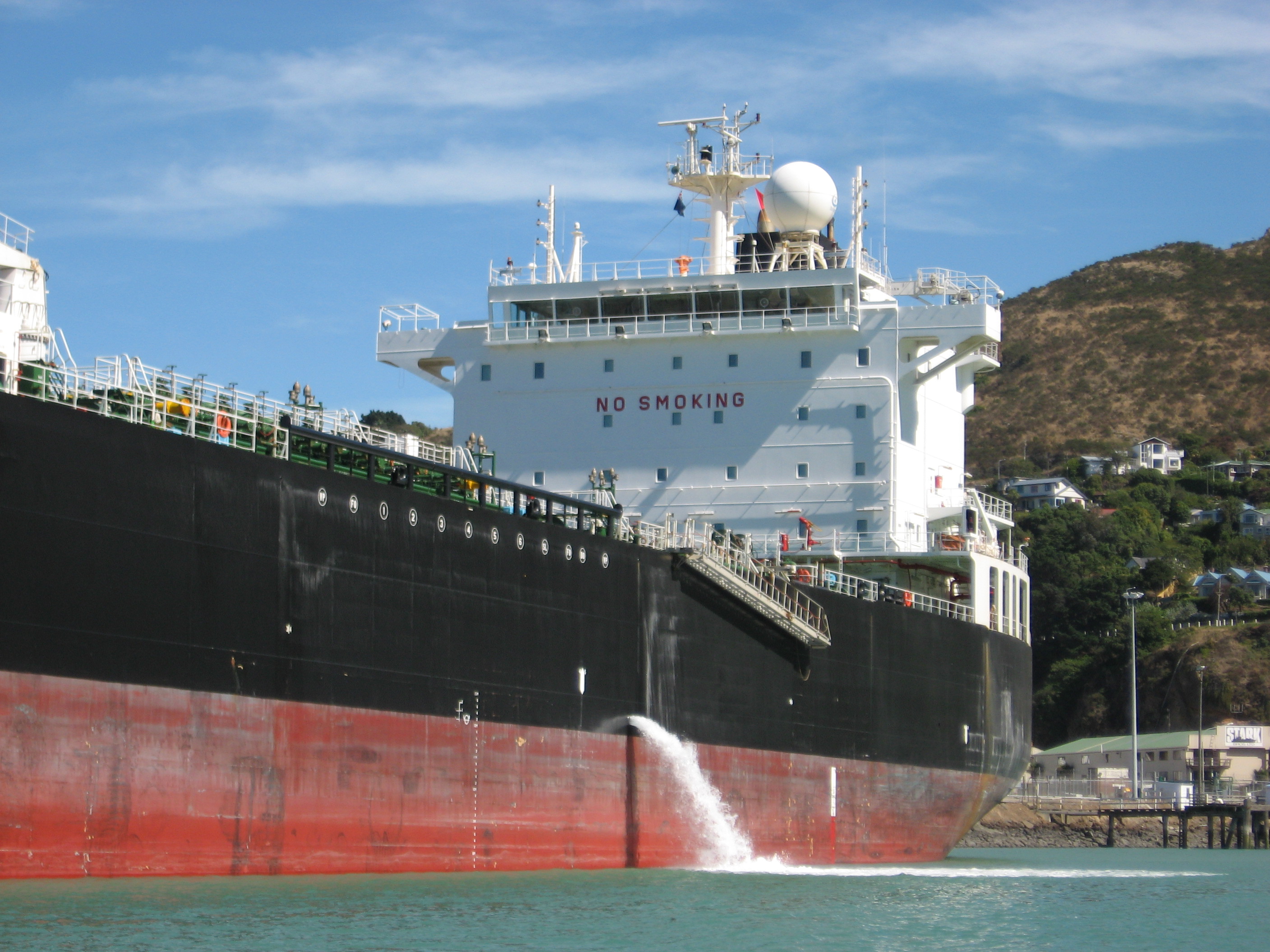
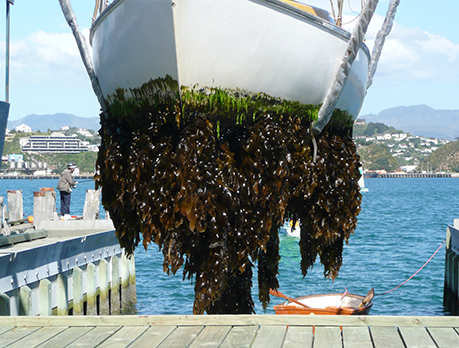
Most non-native marine species that have been introduced into New Zealand have arrived with shipping, either attached to the submerged surfaces of ships ("biofouling") or in the ballast water carried by large vessels to maintain stability. As a small, isolated archipelago, New Zealand depends on shipping and other maritime industries for trade, security and economic development. Our isolation from other continents also means that our native marine ecosystems are unique. They contain many species that do not occur anywhere else in the world. As global trade increases and shipping networks expand and diversify, more marine pests and diseases have the opportunity to reach New Zealand.
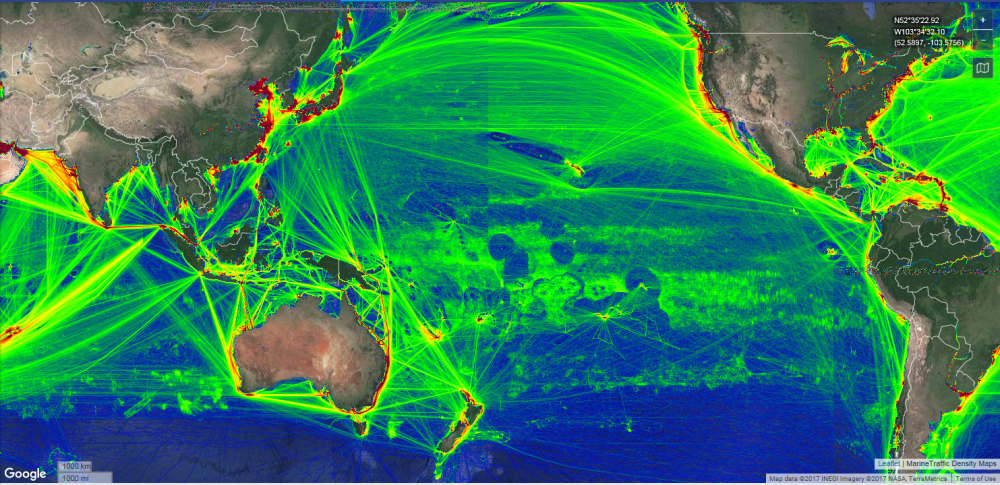
Density of global shipping [Source: MarineTraffic.com]
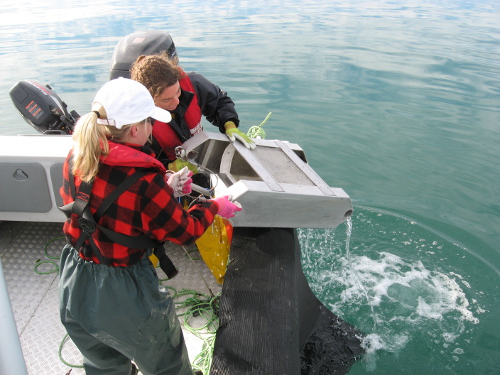
Once they become established in our waters, marine pests and diseases can be spread by a variety of means, including recreational boating and fishing and through movement of infested marine equipment, seawater or seafood. The Ministry for Primary Industries has implemented a range of measures to:
- reduce the risks that non-native marine species will be transported to New Zealand by international shipping,
- detect them early to facilitate their removal or control, and
- reduce their spread and impacts within New Zealand.
You can read about some of these measures in the pages below or visit the Ministry's website for more information.